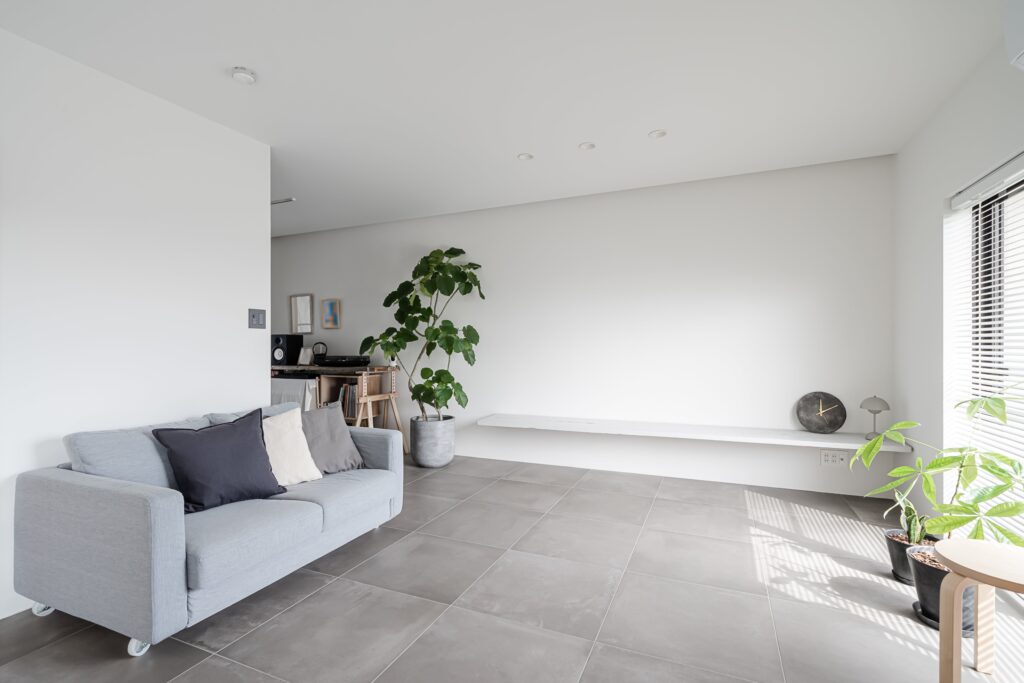
Choosing the perfect tile for your Philadelphia home involves more than just picking a color you like. From historic row-houses to modern condos, the right tile can enhance aesthetics, improve durability, and even increase your property’s value. As Floors2You LLC, your trusted Philadelphia flooring experts, we’re here to guide you through the process.
Understanding Your Needs
Before diving into tile types, consider the specific demands of the area you’re tiling.

Room Functionality
- Kitchens and Bathrooms: These areas experience high moisture and traffic, requiring water-resistant and durable tiles.
- Entryways and Hallways: High foot traffic means you’ll need a tile that can withstand wear and tear.
- Living Areas: While durability is still a factor, aesthetics and comfort might take precedence here.
- Basements: Moisture resistance is paramount, especially in older Philadelphia homes prone to dampness.
Lifestyle Considerations
- Pets and Children: Opt for scratch-resistant and easy-to-clean options if you have furry friends or little ones.
- Allergies: Tile can be a great option for allergy sufferers as it doesn’t harbor allergens like carpet.
Popular Tile Types for Philadelphia Homes
Philadelphia’s diverse architecture and climate necessitate a variety of tile options.
Ceramic Tile
Ceramic tile is a versatile and cost-effective choice, widely popular for its durability and aesthetic appeal. It’s made from clay, minerals, and water, fired at high temperatures.
- Pros: Wide range of colors, sizes, and patterns; relatively affordable; easy to clean; good for kitchens and bathrooms.
- Cons: Can be cold underfoot; can be slippery when wet; grout lines require maintenance.
- Ideal For: Kitchens, bathrooms, laundry rooms, entryways.
Porcelain Tile
A type of ceramic tile, porcelain is made from a denser, finer clay and fired at higher temperatures, making it less porous and more durable than standard ceramic.
- Pros: Extremely durable; highly water-resistant; suitable for high-traffic areas; available in looks that mimic wood or natural stone.
- Cons: More expensive than ceramic; harder to cut and install; can be very heavy.
- Ideal For: High-traffic areas, outdoor applications (like patios), bathrooms, basements.
Natural Stone Tile
Natural stone tiles, such as marble, granite, travertine, and slate, offer a luxurious and unique aesthetic, with each piece showcasing natural variations.
- Pros: Elegant and timeless appearance; adds significant value to a home; highly durable if properly maintained.
- Cons: Can be expensive; requires sealing and regular maintenance; porous and can stain; can be cold underfoot.
- Ideal For: Living rooms, formal dining areas, high-end bathrooms, fireplaces.
Quarry Tile
Known for its rustic appearance, quarry tile is unglazed, dense, and typically made from natural clays. It’s often found in commercial settings but can be a great fit for certain residential styles.
- Pros: Very durable and slip-resistant; suitable for heavy traffic; natural, earthy tones.
- Cons: Limited color palette; porous and needs sealing; can be cold and hard.
- Ideal For: Kitchens, mudrooms, outdoor patios, areas desiring a rustic or industrial look.
Key Considerations for Philadelphia Homeowners
When selecting tile, keep these local factors in mind:
Historic Charm vs. Modern Appeal
Philadelphia homes range from colonial-era structures to sleek new builds. Consider the architectural style of your home when choosing tile.
- For historic homes, subway tile, classic patterns, or natural stone might be more appropriate.
- For modern homes, large format tiles, minimalist designs, or wood-look porcelain can create a contemporary feel.
Climate and Durability
Philadelphia experiences all four seasons, with humid summers and freezing winters.
- Freeze-Thaw Resistance: If tiling an outdoor space or an unheated area like an enclosed porch, ensure the tile is rated for freeze-thaw cycles. Porcelain is generally a good choice.
- Moisture Management: Basements in Philadelphia can be prone to dampness. Opt for highly water-resistant tiles like porcelain or certain types of natural stone that are properly sealed.
Professional Installation
Tile installation, especially in older Philadelphia homes with uneven subfloors, requires expertise. Professional installation ensures proper substrate preparation, precise cuts, and correct grouting, leading to a long-lasting and beautiful finish.
Finding Your Perfect Tile with Floors2You LLC
At Floors2You LLC, we understand the unique character of Philadelphia homes. Our wide selection of tiles, combined with our expert advice and professional installation services, ensures you’ll find the perfect flooring solution. Visit our showroom or contact us today to discuss your project and bring your vision to life.
Free Quote
Want this floor in your space?
We measure, check the subfloor, and give you a real number — no obligation.